Modern applications are complex, interactive, and highly data-driven. A single screen in a web or mobile app often needs data from many backend services — user profiles, orders, payments, recommendations, and notifications. Traditional REST APIs, while still widely used, often struggle to support these requirements efficiently. This is where GraphQL…
-
-
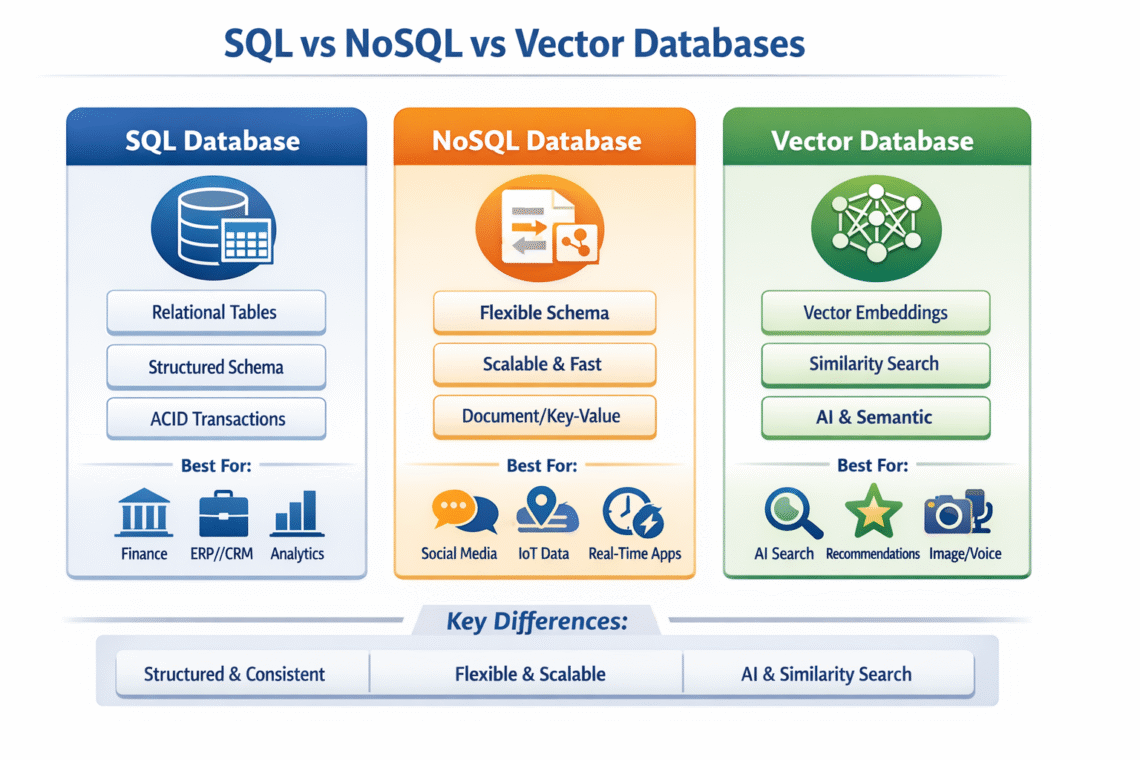
SQL vs NoSQL vs Vector Databases — A Practical Guide for Modern Applications
In today’s digital world, data is the foundation of every application — from banking platforms and e-commerce websites to AI assistants and recommendation engines. But not all data is the same, and that’s why different types of databases exist. Traditionally, systems relied on SQL databases to manage structured data. As…
-
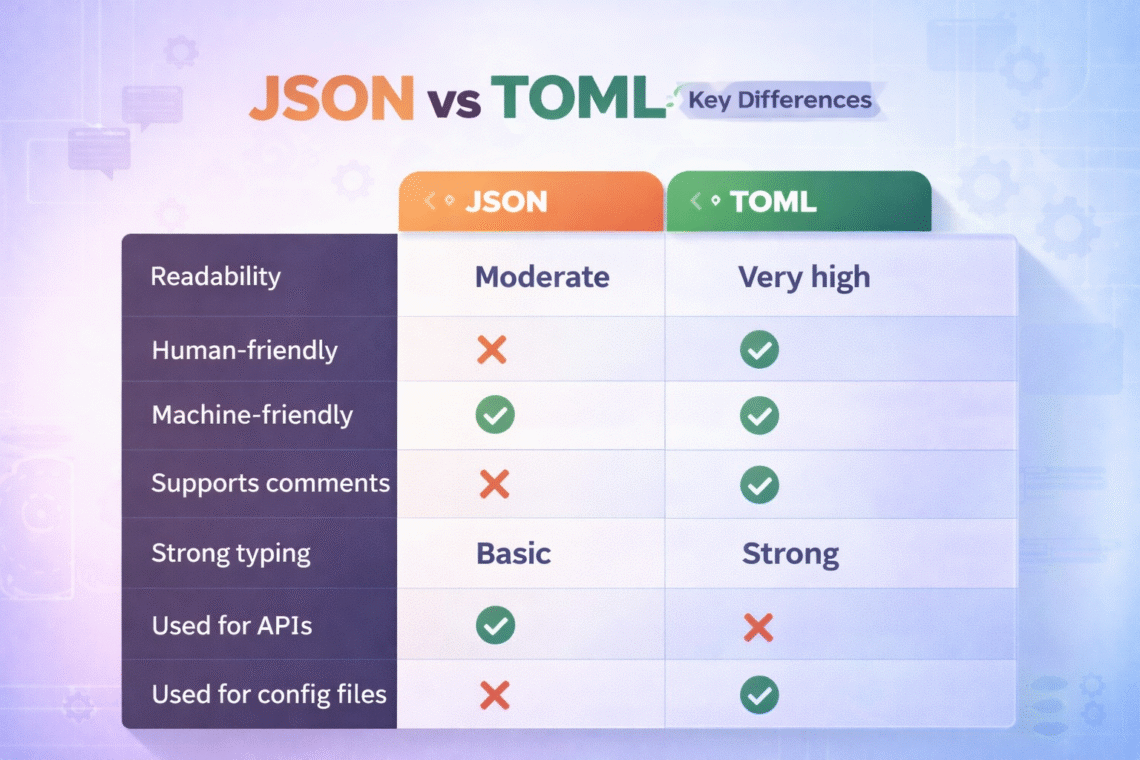
JSON vs TOML: A Practical Guide to Modern Data and Configuration Formats
In modern software development, data formats play a critical role in how applications store, exchange, and manage information. Two popular formats that often come up are JSON (JavaScript Object Notation) and TOML (Tom’s Obvious, Minimal Language). While both look similar at first glance, they serve different purposes and shine in…
-
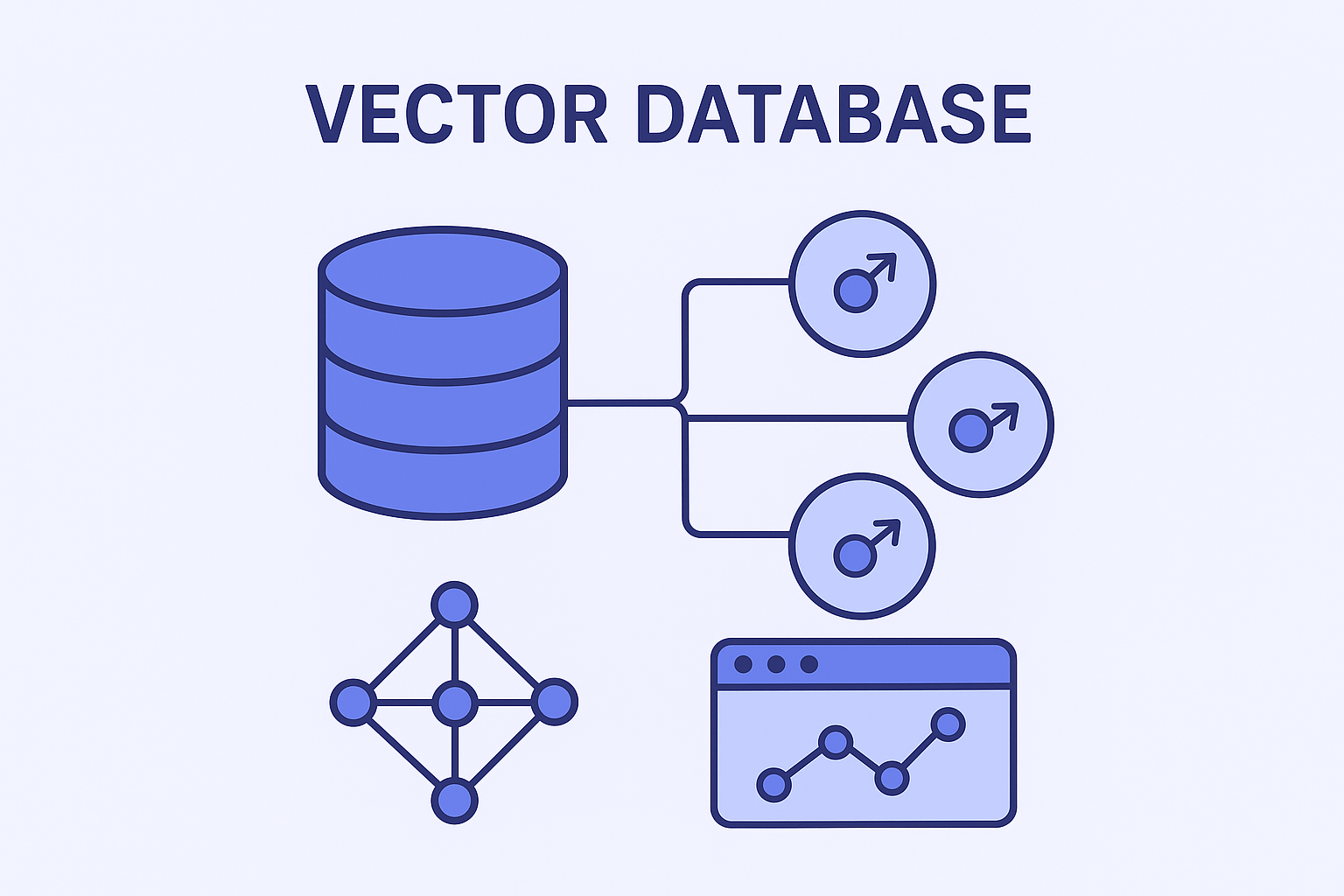
Vector Databases Explained: The Backbone of Modern AI Applications
Learn what vector databases are, why traditional databases fall short, and how vector databases power modern AI applications like chatbots, semantic search, and recommendation systems. Overview In recent years, Artificial Intelligence has moved far beyond simple rule-based systems. Modern AI applications aim to understand meaning, context, and similarity, not just…
-
Get Differences between NumPy and Pandas
Python is an interpreted, object-oriented, high-level programming language with dynamic semantics. Nowadays, Python is a programming language widely used by Data Scientists. Python has in-built mathematical libraries and functions, making it easier to calculate mathematical problems and to perform data analysis. NumPy and Pandas are two most popular libraries in…