Writing software is not just about making things work — it is about making them easy to understand, easy to change, and safe to grow. As applications become larger and more complex, small design mistakes can turn into big problems like bugs, slow development, and high maintenance costs. That is…
-
-
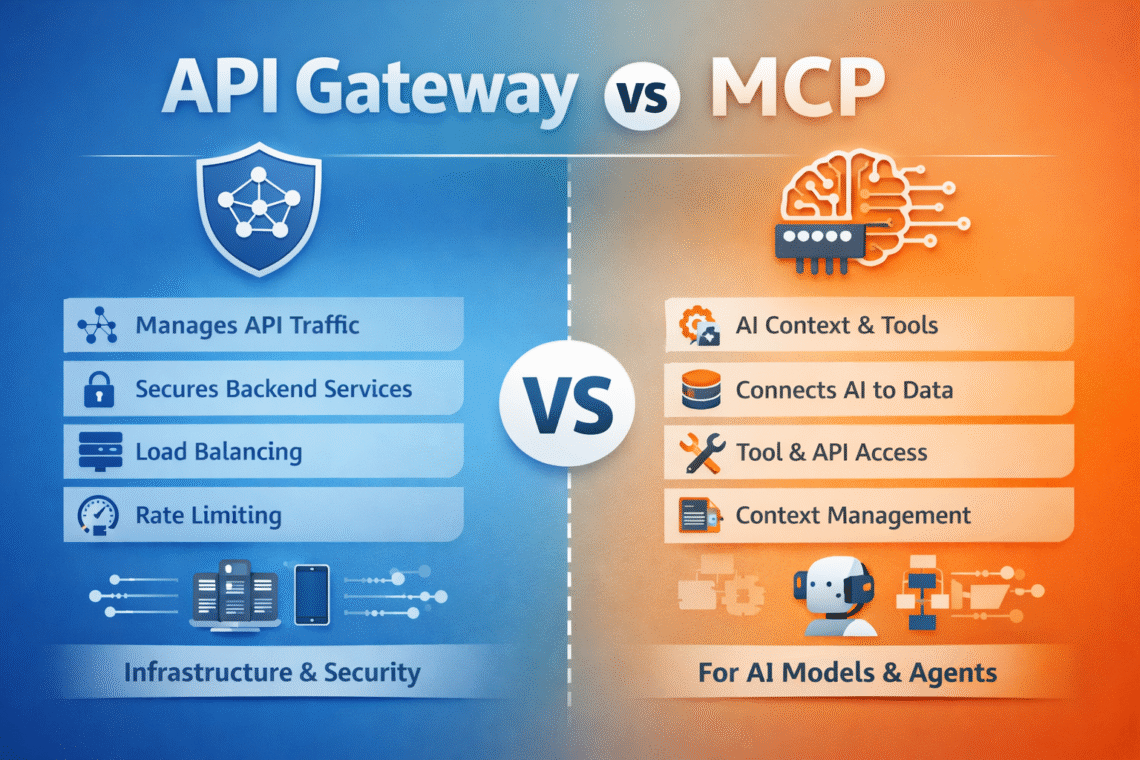
API Gateway vs MCP: Understanding the Differences, Use Cases, and Why You Need Both
As modern applications move toward microservices, cloud-native architecture, and AI-powered systems, new infrastructure patterns are emerging alongside traditional ones. Two such important concepts are API Gateway and MCP (Model Context Protocol). While both often appear in discussions around modern platforms, they serve very different purposes. In this article, we’ll explore:…
-
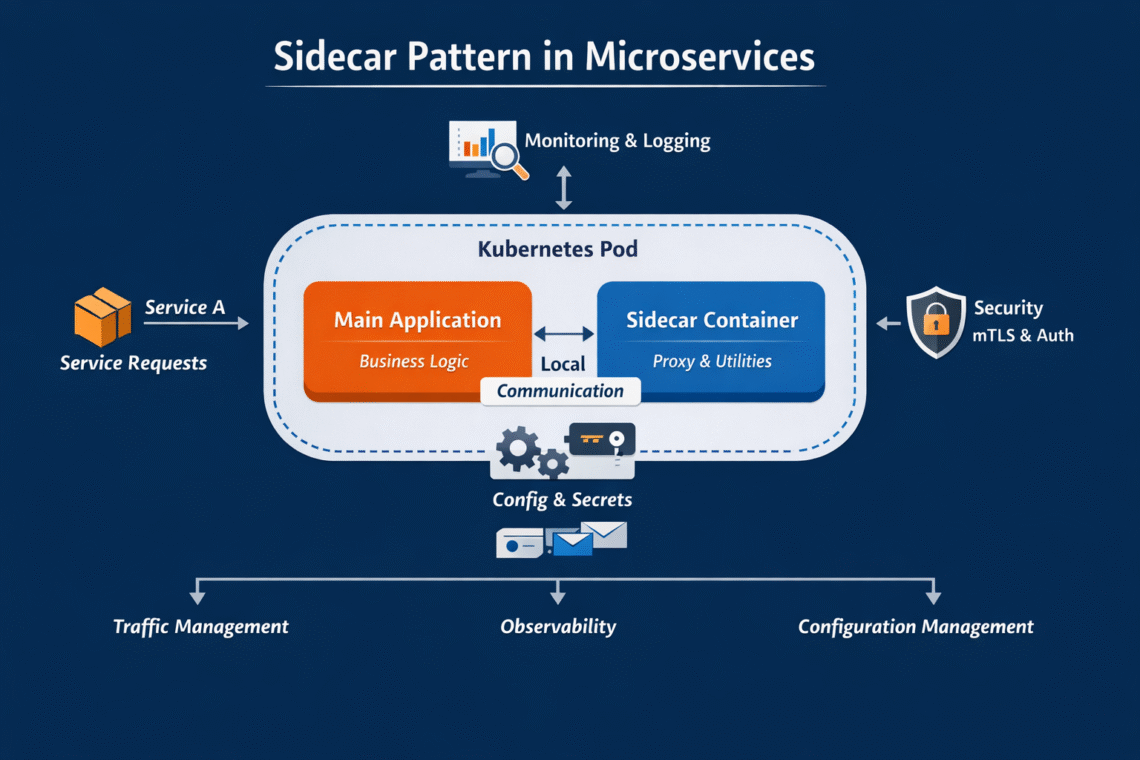
Sidecar Pattern in Microservices: Architecture, Benefits, and Trade-Offs
Modern applications are no longer built as one massive block of code. Instead, they are broken into smaller, independent services that work together — a concept known as microservices architecture. While microservices bring flexibility and scalability, they also introduce new challenges such as service communication, observability, security, and configuration management.…
-
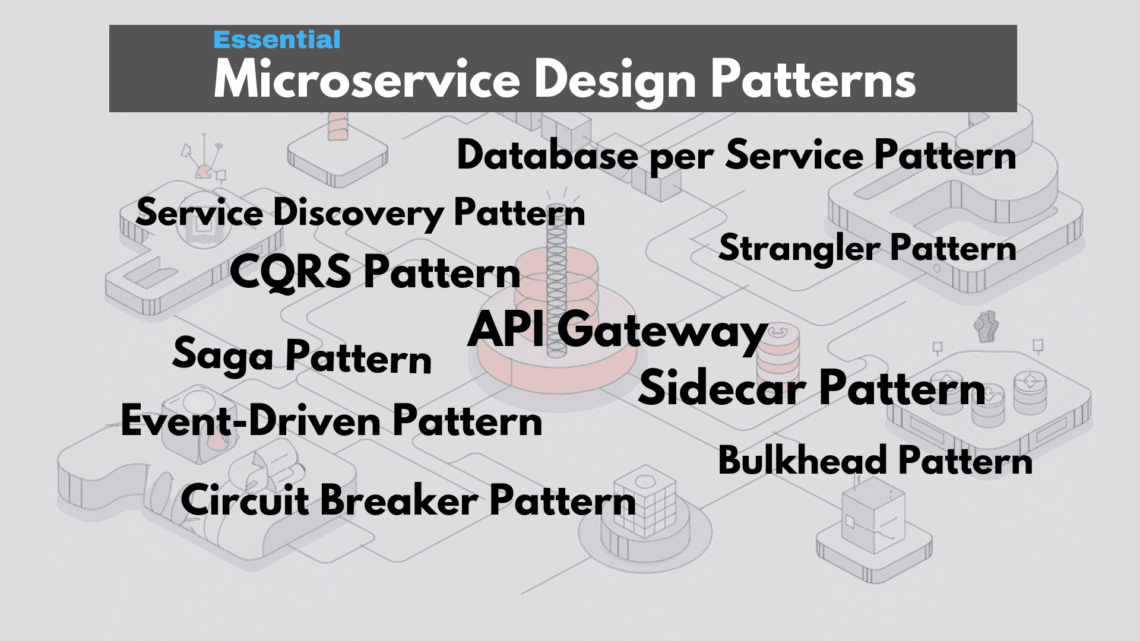
Essential Microservice Design Patterns for Scalable and Resilient Systems
Microservices architecture is all about breaking down a large application into smaller, independent services that can communicate with each other. This approach helps in scalability, flexibility, and easier maintenance. However, designing microservices effectively requires certain patterns to manage communication, data, and failures efficiently. Here are some essential microservice design patterns…
-
Get Differences between Retry Pattern and Circuit Breaker Pattern
In a distributed environment, resilience and fault tolerance are important. Two essential techniques, the Retry Pattern and the Circuit Breaker Pattern, stand out as pillars in the search for robustness. Both patterns appear to address identical issues like improving system reliability by gracefully accepting temporary errors. But when you dive…