Introduction: Understanding the AI Revolution We Are Living In Artificial Intelligence is no longer an experimental technology hidden inside research labs. It has become part of everyday digital life—quietly powering search engines, recommendation systems, voice assistants, customer support chats, image generators, video tools, and even software development workflows. What makes…
-
-
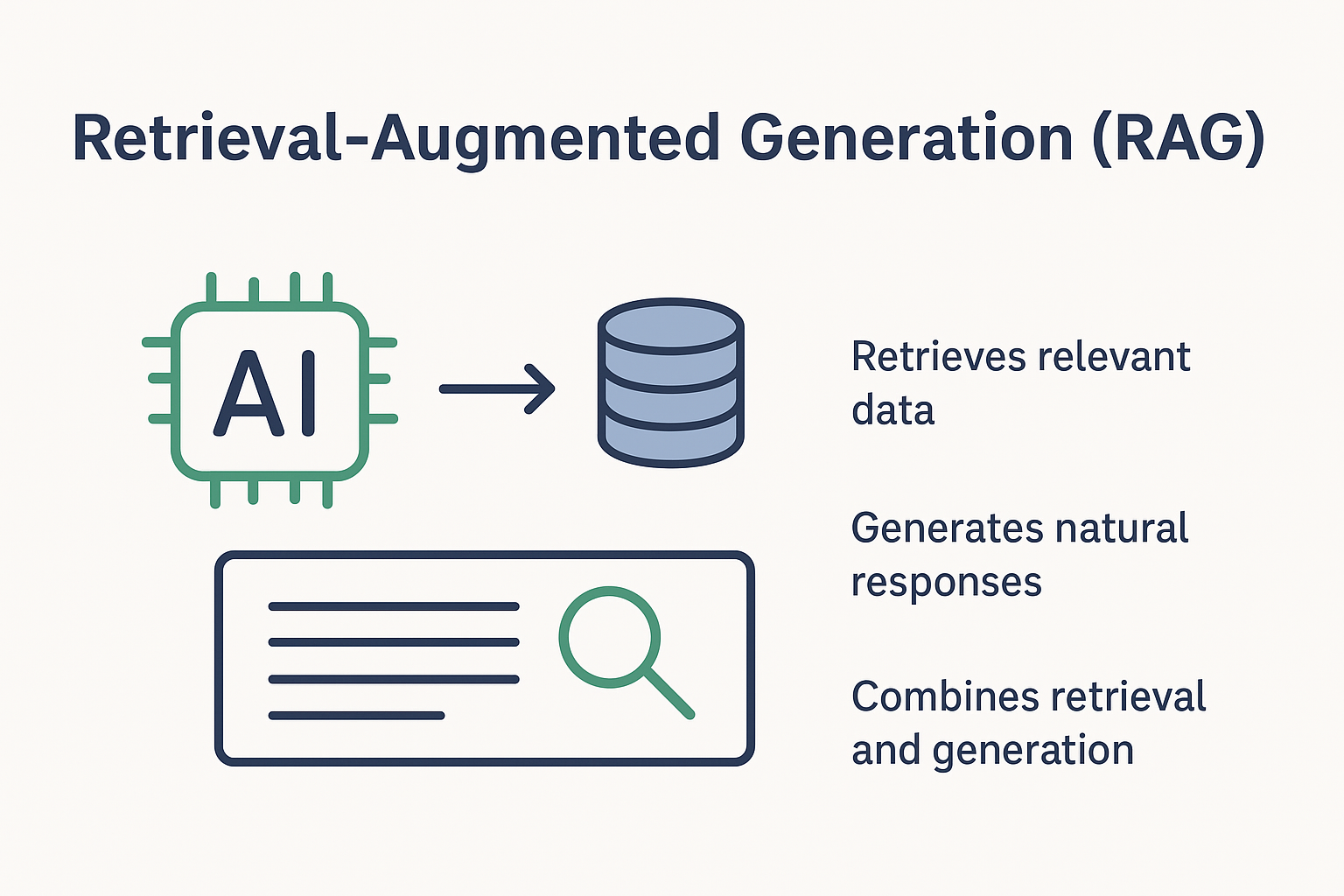
Retrieval-Augmented Generation (RAG): What It Is, Why It Matters, and How It Solves Real Problems
Overview Generative AI has made huge progress, but even the most advanced Large Language Models (LLMs) still face a major challenge: they don’t have access to real-time or private data. This often leads to outdated answers or AI hallucinations. This is where Retrieval-Augmented Generation (RAG) plays a critical role. RAG…
-
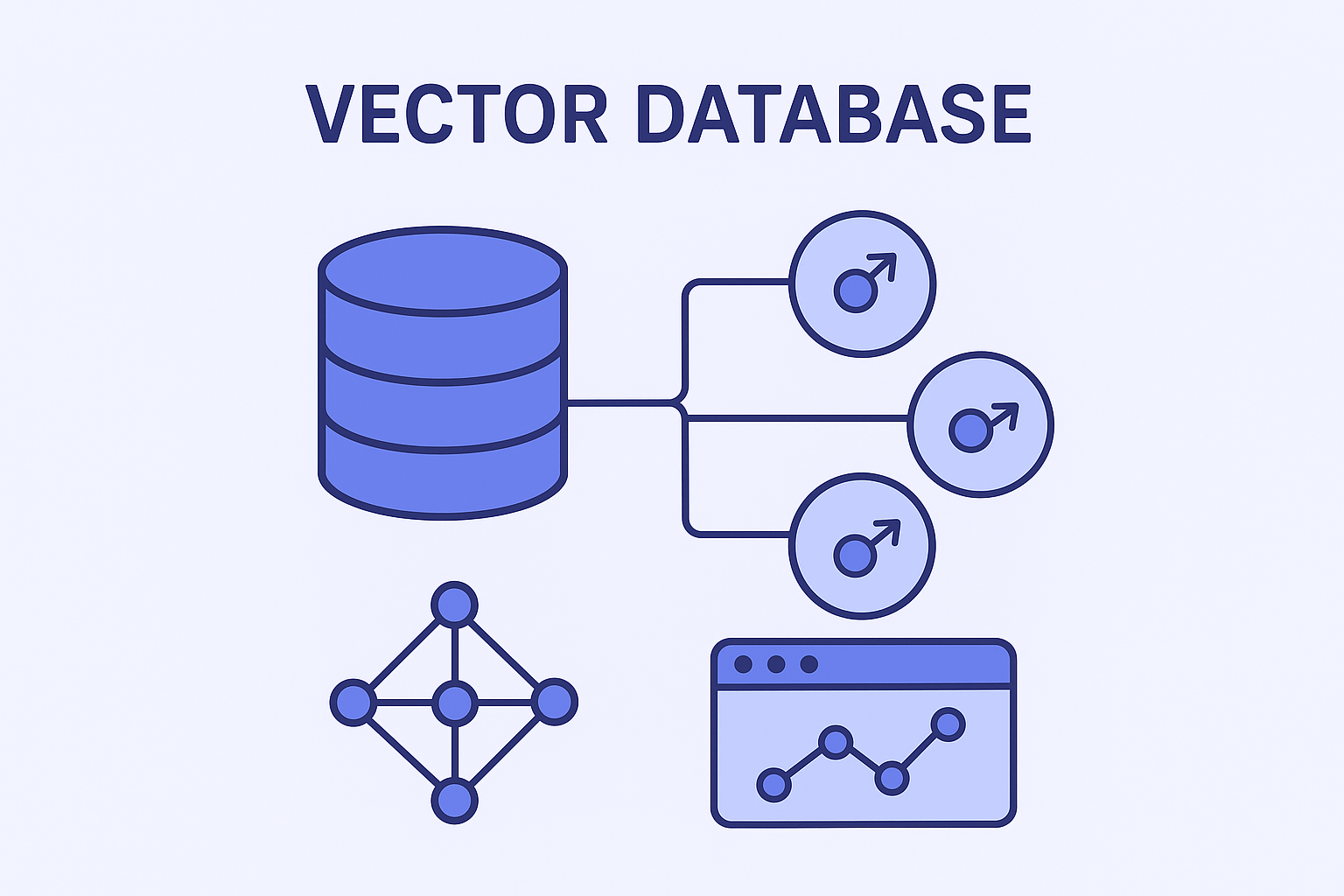
Vector Databases Explained: The Backbone of Modern AI Applications
Learn what vector databases are, why traditional databases fall short, and how vector databases power modern AI applications like chatbots, semantic search, and recommendation systems. Overview In recent years, Artificial Intelligence has moved far beyond simple rule-based systems. Modern AI applications aim to understand meaning, context, and similarity, not just…
-
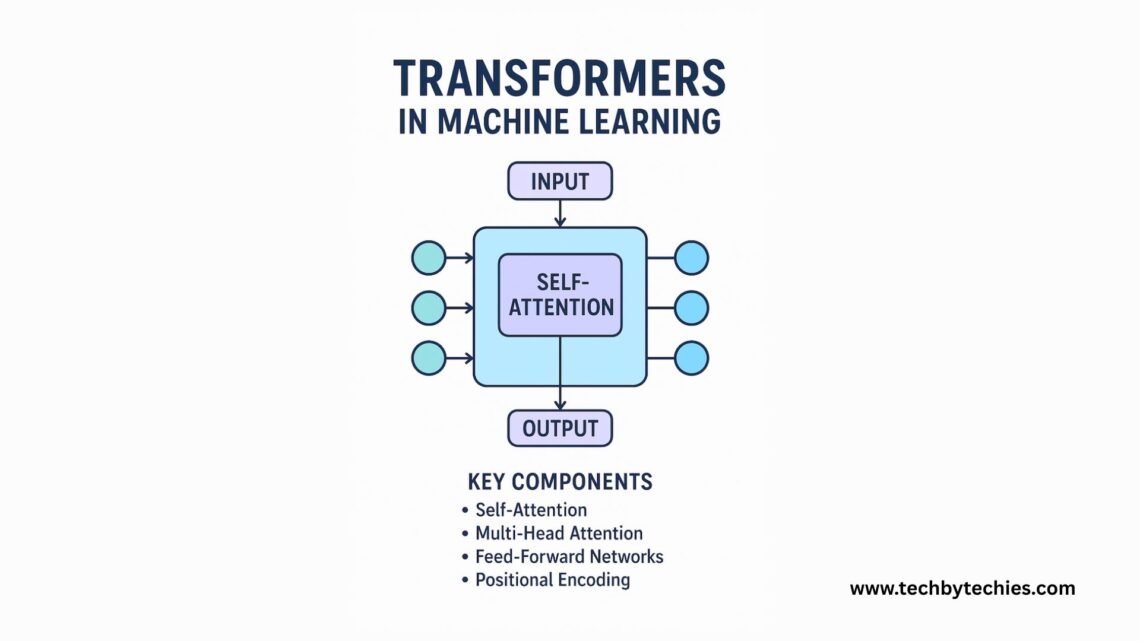
Transformers in Machine Learning: The Technology Powering Today’s AI Revolution
If you follow the world of AI — or even casually hear about ChatGPT, BERT, or Whisper — you’ve already touched the impact of Transformers. They’re not just another neural network architecture; they’re the reason modern AI feels powerful, smart, and almost magical. In this blog post, let’s break down…
-
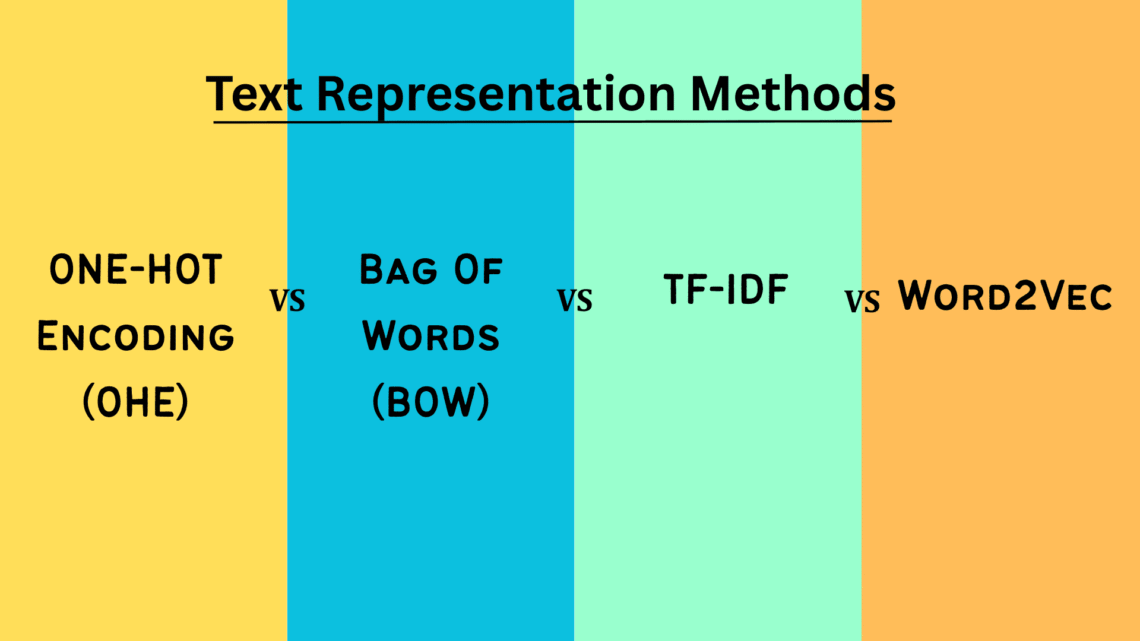
One-Hot Encoding vs Bag of Words vs TF-IDF vs Word2Vec: Which One Should You Use?
When working with text data in machine learning, one of the biggest challenges is how to represent words as numbers. Computers don’t understand language the way we do—they need numerical input. That’s where text representation techniques come in. Today, we’ll walk through four of the most common approaches: One-Hot Encoding, Bag of Words,…
-
Agentic AI vs AI Agents: What’s the Difference?
Artificial Intelligence is no longer just a buzzword—it’s everywhere. From smart assistants on our phones to automation tools in businesses, AI is reshaping how we live and work. But as the field grows, so does the vocabulary around it. Two terms that often get mixed up are Agentic AI and AI Agents. At…
-
ANN vs RNN: What’s the Difference and Why Does It Matter?
When we talk about Artificial Intelligence, we often hear terms like ANN (Artificial Neural Networks) and RNN (Recurrent Neural Networks). They sound pretty similar—both are types of neural networks inspired by how our brains work. But in reality, they’re built for different jobs. Think of it like this: Let’s break it down in a…
-
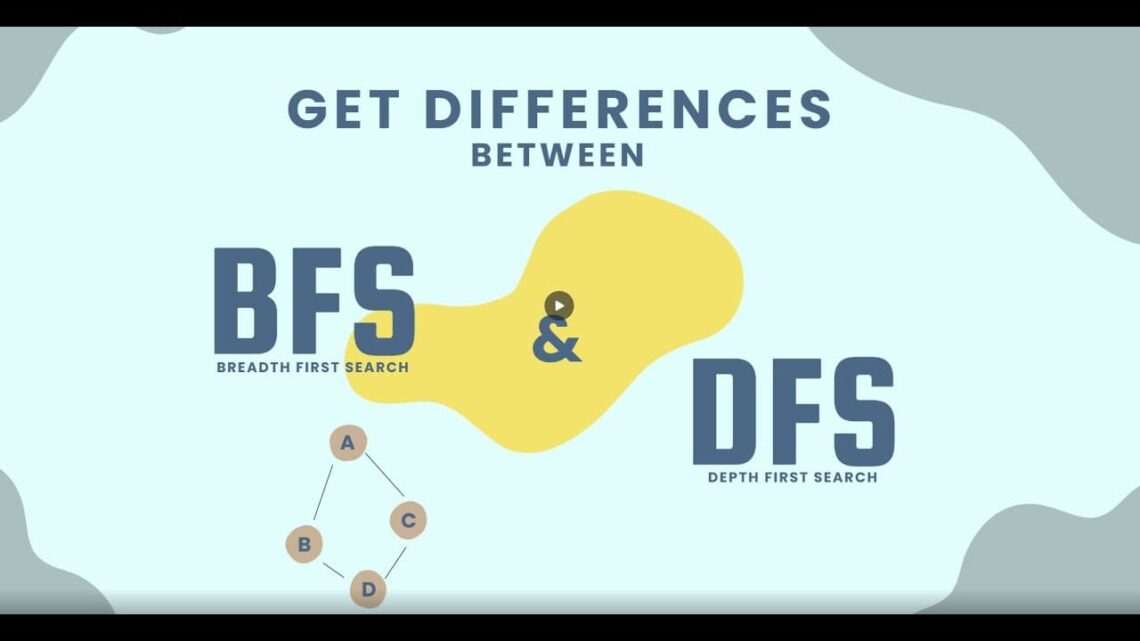
Get Differences between BFS and DFS
Breadth-first search(BFS) and Depth-first search(DFS) both are graph traversal algorithms. Graph traversal is the Process of viewing all of the nodes within a graph. Breadth-first search begins with a random initial node and explores all nodes in the current layer before moving on to nodes in the next layer. Depth-first…
-
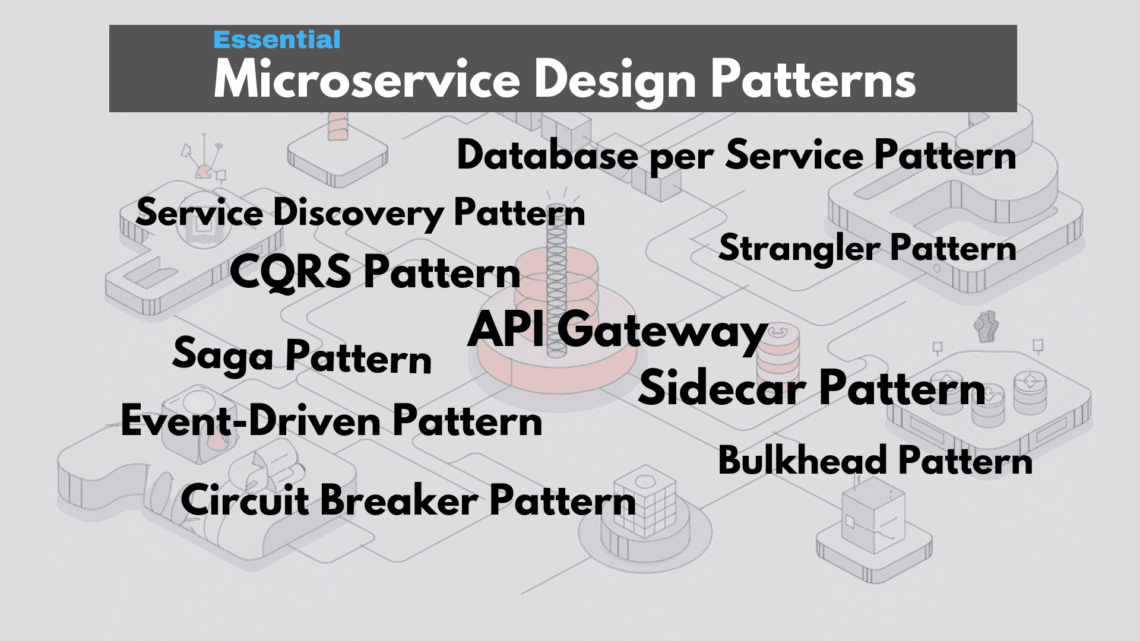
Essential Microservice Design Patterns for Scalable and Resilient Systems
Microservices architecture is all about breaking down a large application into smaller, independent services that can communicate with each other. This approach helps in scalability, flexibility, and easier maintenance. However, designing microservices effectively requires certain patterns to manage communication, data, and failures efficiently. Here are some essential microservice design patterns…
-
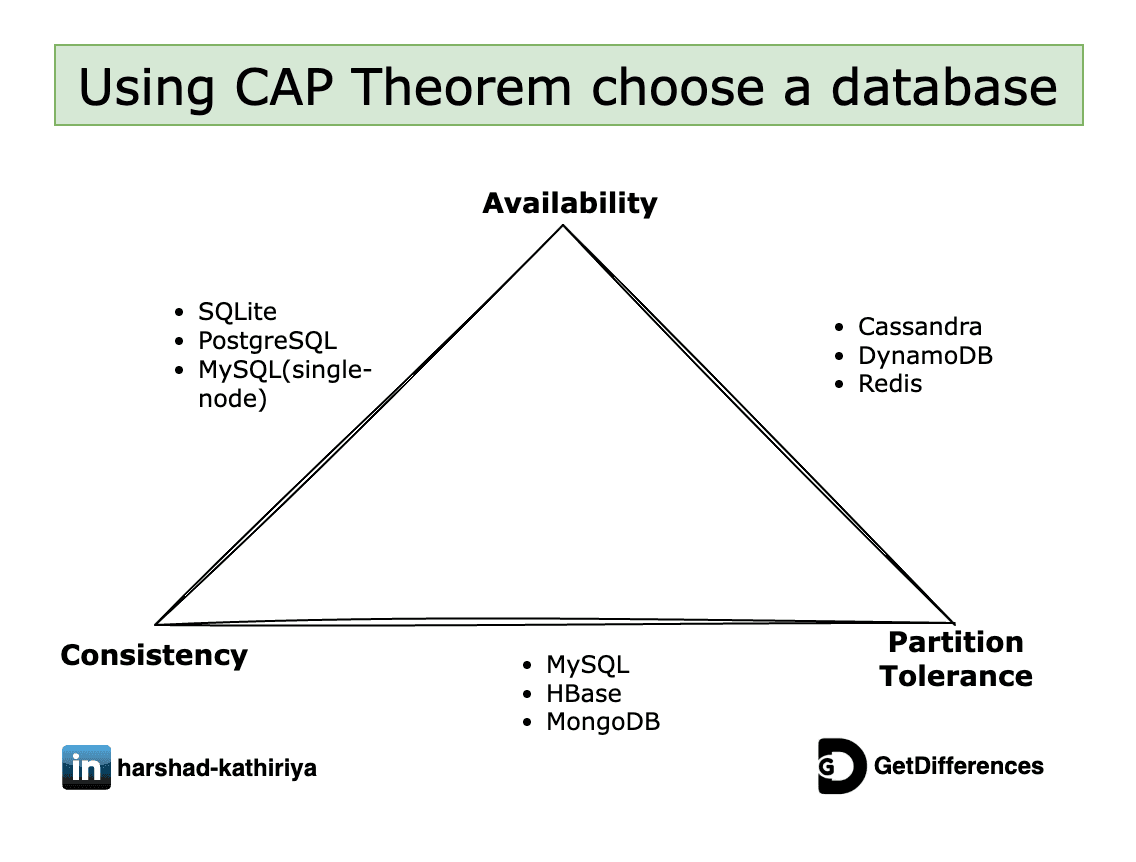
Using CAP Theorem choose a database.
When building a large-scale distributed system, choosing the right database is crucial for meeting both user expectations and business requirements. The CAP Theorem offers valuable insights into the trade-offs involved in selecting a database, especially when it comes to consistency, availability, and partition tolerance. The CAP Theorem states that a…