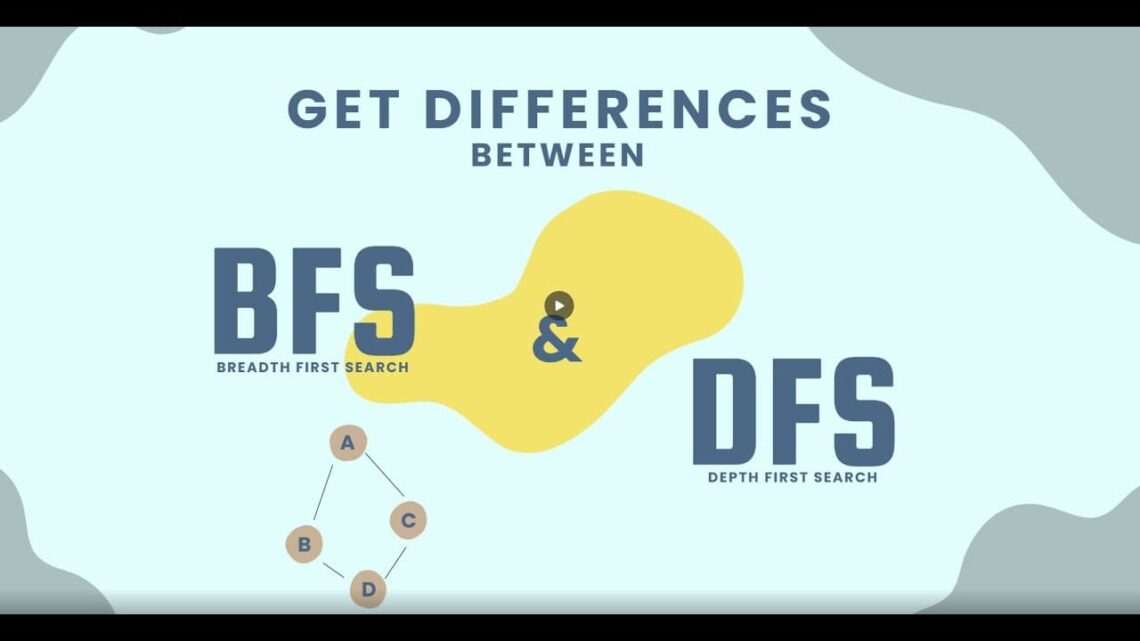
Breadth-first search(BFS) and Depth-first search(DFS) both are graph traversal algorithms. Graph traversal is the Process of viewing all of the nodes within a graph. Breadth-first search begins with a random initial node and explores all nodes in the current layer before moving on to nodes in the next layer. Depth-first…
-
-
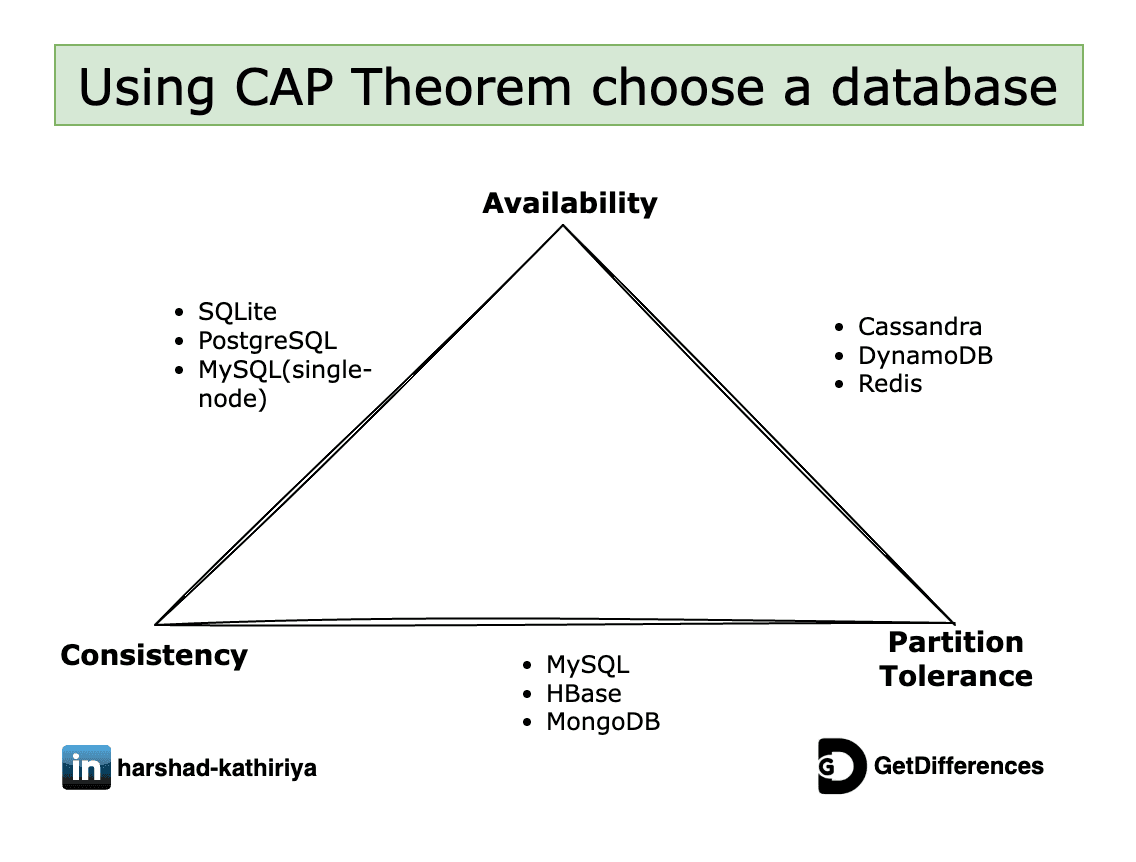
Using CAP Theorem choose a database.
When building a large-scale distributed system, choosing the right database is crucial for meeting both user expectations and business requirements. The CAP Theorem offers valuable insights into the trade-offs involved in selecting a database, especially when it comes to consistency, availability, and partition tolerance. The CAP Theorem states that a…
-
Get Differences between Machine Learning and Deep Learning
Artificial intelligence is used to classify machines that mimic human intelligence and human cognitive functions like problem-solving and learning. AI uses predictions and automation to optimize and solve complex tasks that humans have historically done, such as facial and speech recognition, decision making and translation. Machine learning is a subset…
-
Data Structures vs Algorithms: Key Differences
Data Structures vs Algorithms are two fundamental concepts in computer science that are closely related but serve different purposes. Exploring Data Structures vs Algorithms By understanding Data Structures vs Algorithms, developers can make informed choices that enhance their coding practices. A data structure is a specialized format for organizing, processing,…
-
Get Differences between NumPy and Pandas
Python is an interpreted, object-oriented, high-level programming language with dynamic semantics. Nowadays, Python is a programming language widely used by Data Scientists. Python has in-built mathematical libraries and functions, making it easier to calculate mathematical problems and to perform data analysis. NumPy and Pandas are two most popular libraries in…