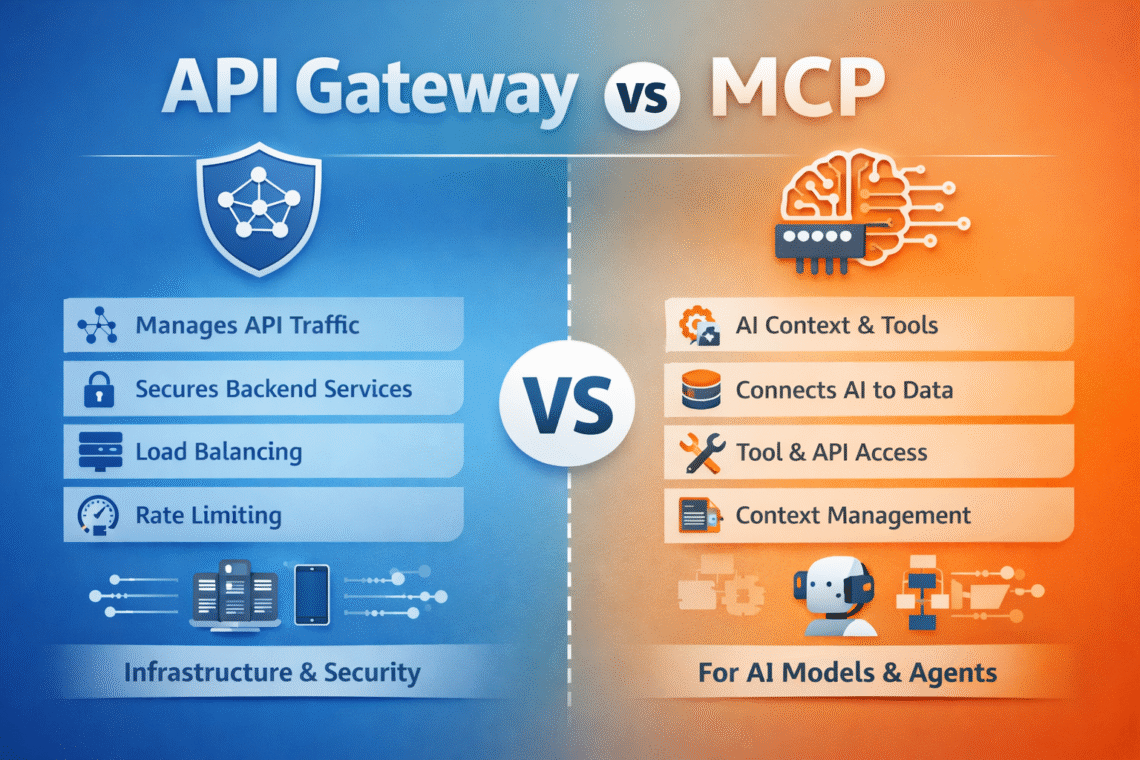
As modern applications move toward microservices, cloud-native architecture, and AI-powered systems, new infrastructure patterns are emerging alongside traditional ones. Two such important concepts are API Gateway and MCP (Model Context Protocol). While both often appear in discussions around modern platforms, they serve very different purposes. In this article, we’ll explore:…
-
-
Meet Generative AI: The Technology Behind AI Creativity
Generative AI is changing the way we create content, build software, design products, and interact with technology. From writing code and generating images to composing music and simulating human conversation, Generative Artificial Intelligence has become one of the most impactful innovations of the decade. In this guide, we’ll explore what…
-
Best Prompt Generation Tools: The Smart Way to Communicate with AI
Artificial Intelligence has become an essential part of modern digital workflows. From writing content and generating images to building applications and automating tasks, AI can do a lot—but only when it clearly understands what you want. This is where prompt generation tools play a critical role. Many users struggle to…
-
Semantic Kernel Explained: Microsoft’s AI Orchestration Framework for Building Intelligent Applications
Artificial Intelligence has moved far beyond simple prompt-and-response systems. Today’s applications require memory, tool usage, workflow orchestration, and even decision-making logic. This growing complexity is exactly why Microsoft introduced Semantic Kernel. Semantic Kernel is a modern AI orchestration framework designed to help developers build scalable, maintainable, and production-ready AI-powered applications.…
-
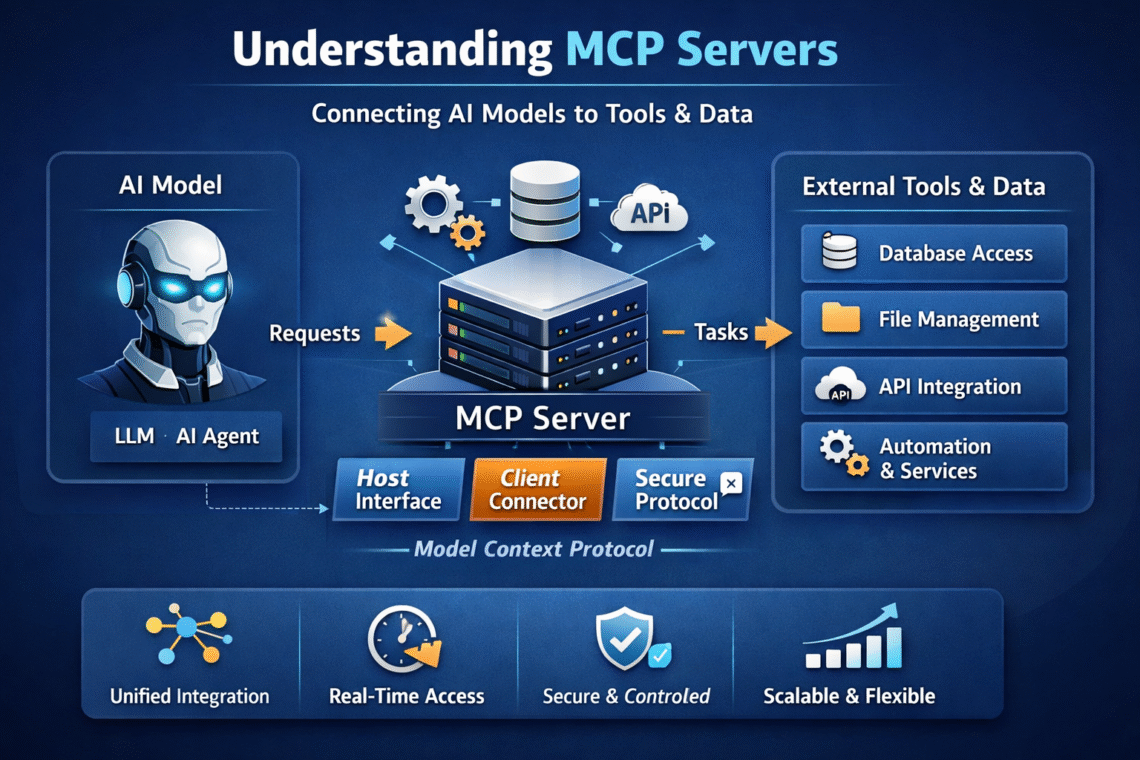
MCP Server Explained: A Deep Dive for Modern AI Systems
Overview As AI models continue to improve, expectations from them are also increasing. Today, AI is expected not only to answer questions but to take action, integrate with systems, and operate within real business workflows. However, large language models are isolated by design — they don’t naturally know how to…
-
The Complete Guide to Artificial Intelligence: Models, Websites, and Real-World Use Cases
Introduction: Understanding the AI Revolution We Are Living In Artificial Intelligence is no longer an experimental technology hidden inside research labs. It has become part of everyday digital life—quietly powering search engines, recommendation systems, voice assistants, customer support chats, image generators, video tools, and even software development workflows. What makes…
-
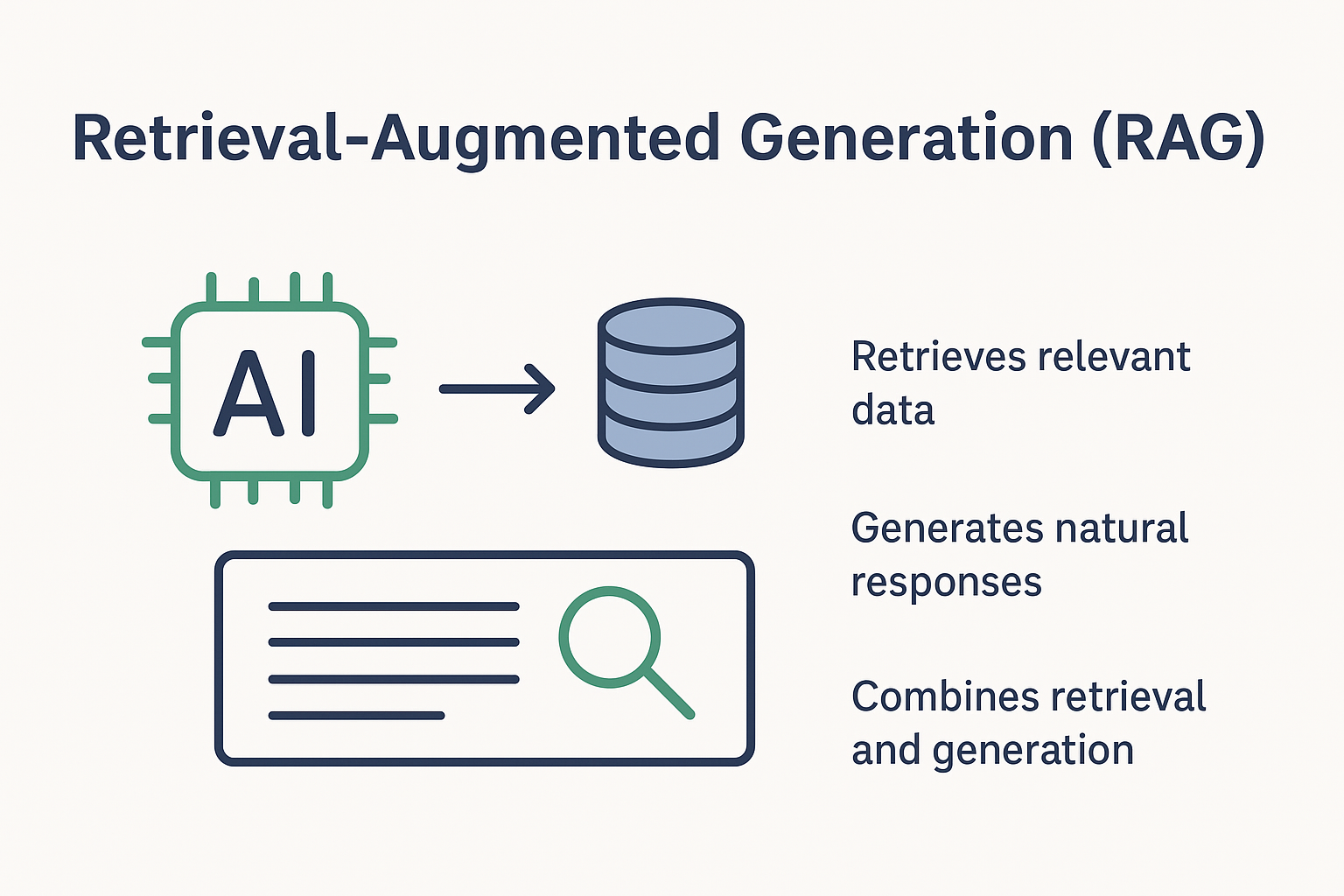
Retrieval-Augmented Generation (RAG): What It Is, Why It Matters, and How It Solves Real Problems
Overview Generative AI has made huge progress, but even the most advanced Large Language Models (LLMs) still face a major challenge: they don’t have access to real-time or private data. This often leads to outdated answers or AI hallucinations. This is where Retrieval-Augmented Generation (RAG) plays a critical role. RAG…
-
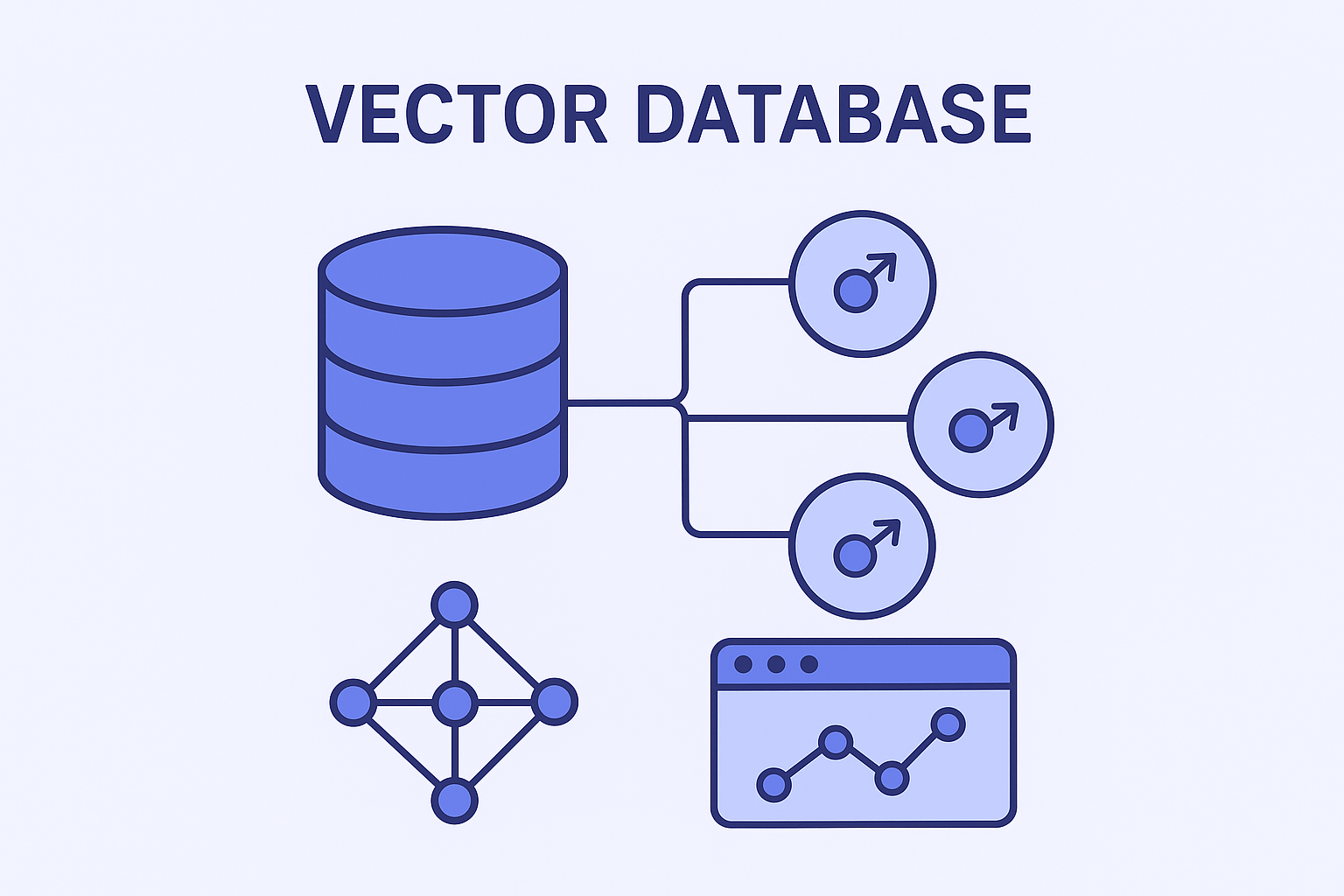
Vector Databases Explained: The Backbone of Modern AI Applications
Learn what vector databases are, why traditional databases fall short, and how vector databases power modern AI applications like chatbots, semantic search, and recommendation systems. Overview In recent years, Artificial Intelligence has moved far beyond simple rule-based systems. Modern AI applications aim to understand meaning, context, and similarity, not just…
-
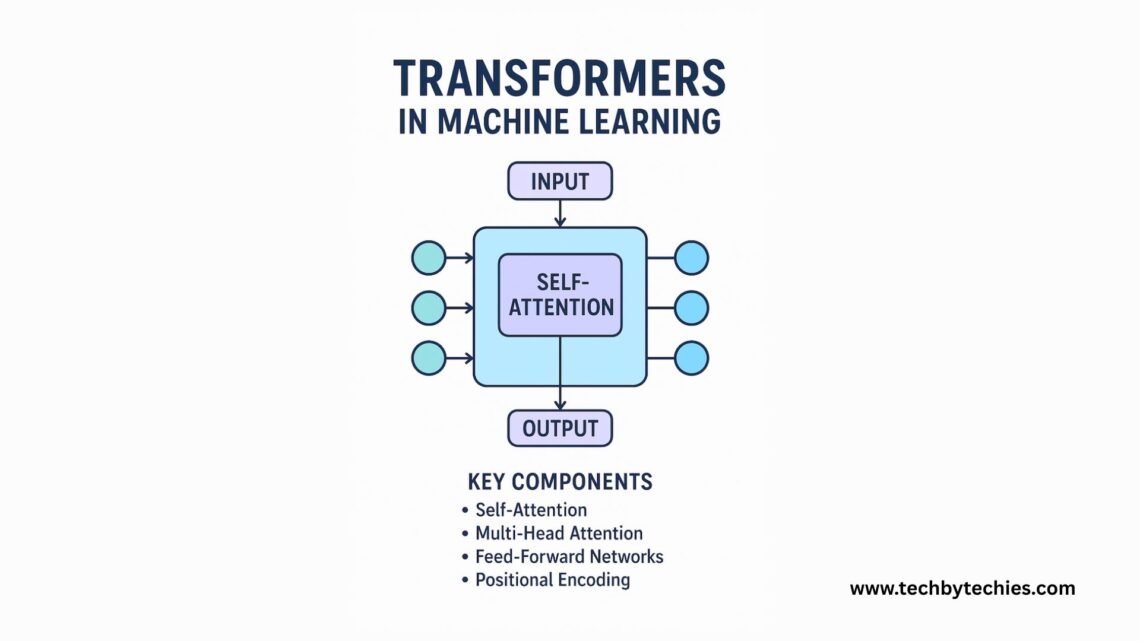
Transformers in Machine Learning: The Technology Powering Today’s AI Revolution
If you follow the world of AI — or even casually hear about ChatGPT, BERT, or Whisper — you’ve already touched the impact of Transformers. They’re not just another neural network architecture; they’re the reason modern AI feels powerful, smart, and almost magical. In this blog post, let’s break down…
-
One-Hot Encoding vs Bag of Words vs TF-IDF vs Word2Vec: Which One Should You Use?
When working with text data in machine learning, one of the biggest challenges is how to represent words as numbers. Computers don’t understand language the way we do—they need numerical input. That’s where text representation techniques come in. Today, we’ll walk through four of the most common approaches: One-Hot Encoding, Bag of Words,…