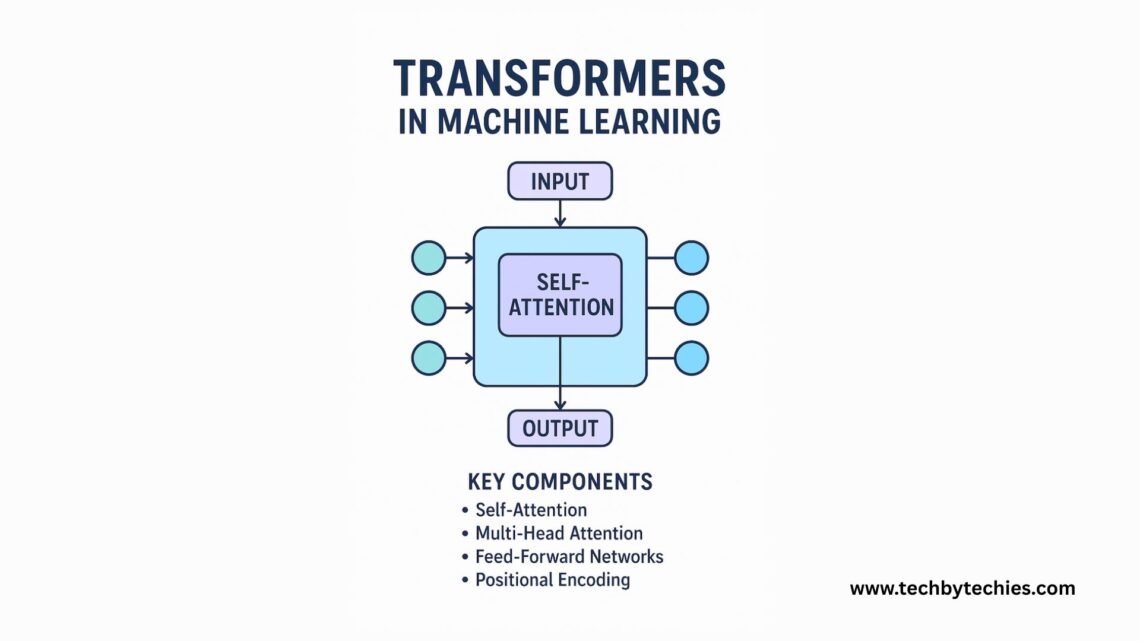
If you follow the world of AI — or even casually hear about ChatGPT, BERT, or Whisper — you’ve already touched the impact of Transformers. They’re not just another neural network architecture; they’re the reason modern AI feels powerful, smart, and almost magical. In this blog post, let’s break down…
-
-
One-Hot Encoding vs Bag of Words vs TF-IDF vs Word2Vec: Which One Should You Use?
When working with text data in machine learning, one of the biggest challenges is how to represent words as numbers. Computers don’t understand language the way we do—they need numerical input. That’s where text representation techniques come in. Today, we’ll walk through four of the most common approaches: One-Hot Encoding, Bag of Words,…
-
Agentic AI vs AI Agents: What’s the Difference?
Artificial Intelligence is no longer just a buzzword—it’s everywhere. From smart assistants on our phones to automation tools in businesses, AI is reshaping how we live and work. But as the field grows, so does the vocabulary around it. Two terms that often get mixed up are Agentic AI and AI Agents. At…
-
ANN vs RNN: What’s the Difference and Why Does It Matter?
When we talk about Artificial Intelligence, we often hear terms like ANN (Artificial Neural Networks) and RNN (Recurrent Neural Networks). They sound pretty similar—both are types of neural networks inspired by how our brains work. But in reality, they’re built for different jobs. Think of it like this: Let’s break it down in a…
-
Get Differences between Machine Learning and Deep Learning
Artificial intelligence is used to classify machines that mimic human intelligence and human cognitive functions like problem-solving and learning. AI uses predictions and automation to optimize and solve complex tasks that humans have historically done, such as facial and speech recognition, decision making and translation. Machine learning is a subset…