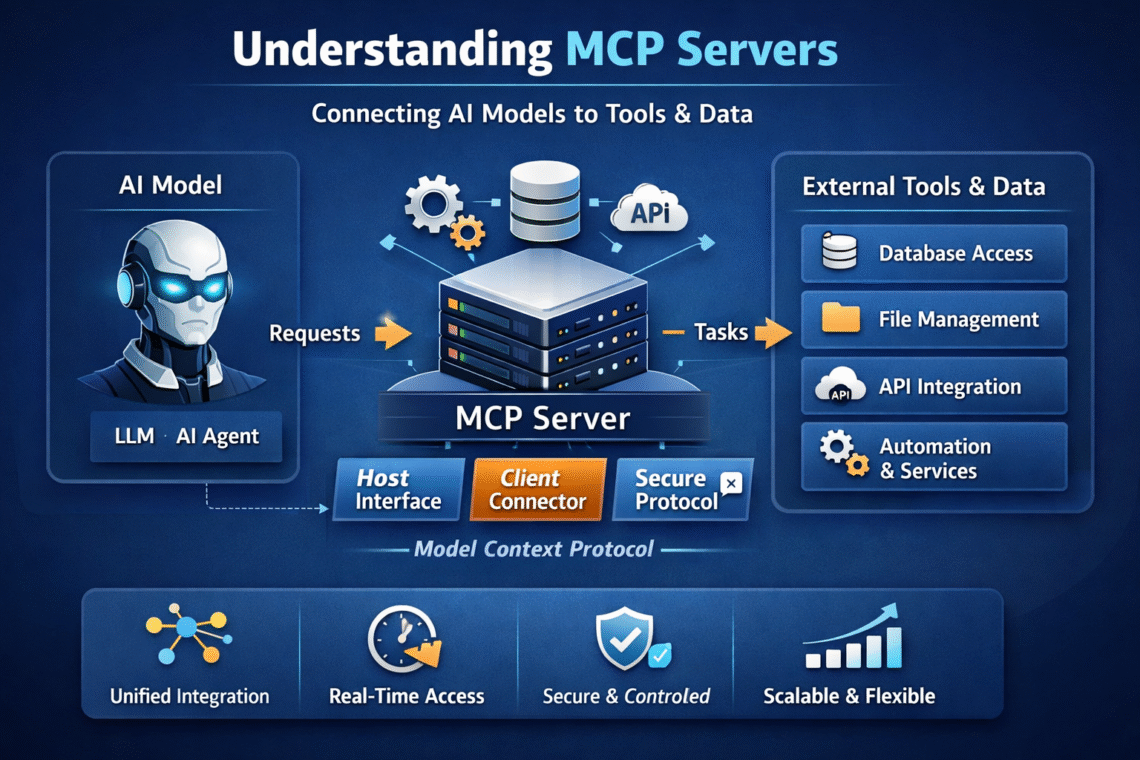
Overview As AI models continue to improve, expectations from them are also increasing. Today, AI is expected not only to answer questions but to take action, integrate with systems, and operate within real business workflows. However, large language models are isolated by design — they don’t naturally know how to…
-
-
The Complete Guide to Artificial Intelligence: Models, Websites, and Real-World Use Cases
Introduction: Understanding the AI Revolution We Are Living In Artificial Intelligence is no longer an experimental technology hidden inside research labs. It has become part of everyday digital life—quietly powering search engines, recommendation systems, voice assistants, customer support chats, image generators, video tools, and even software development workflows. What makes…
-
Retrieval-Augmented Generation (RAG): What It Is, Why It Matters, and How It Solves Real Problems
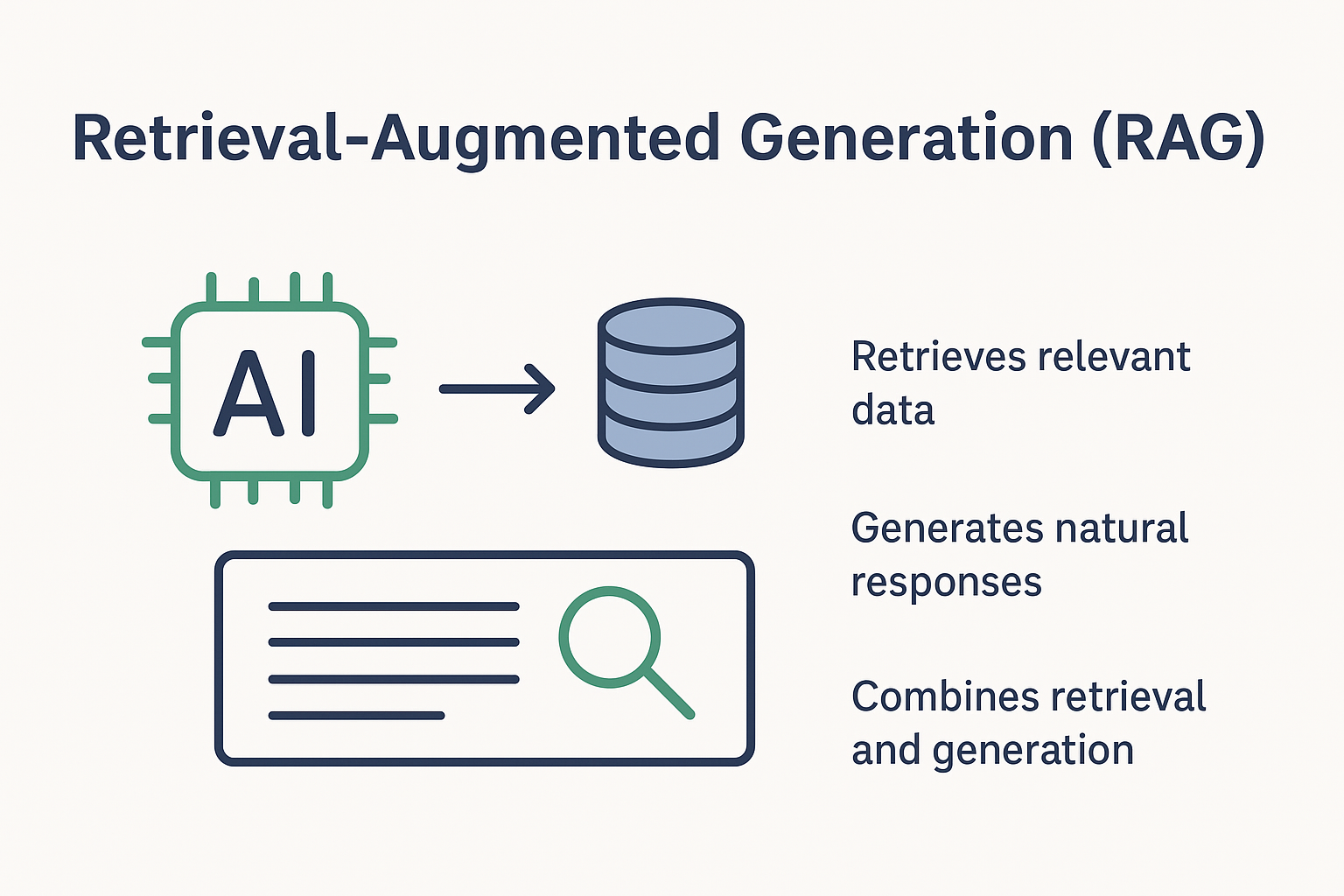
Overview Generative AI has made huge progress, but even the most advanced Large Language Models (LLMs) still face a major challenge: they don’t have access to real-time or private data. This often leads to outdated answers or AI hallucinations. This is where Retrieval-Augmented Generation (RAG) plays a critical role. RAG…
-
Vector Databases Explained: The Backbone of Modern AI Applications
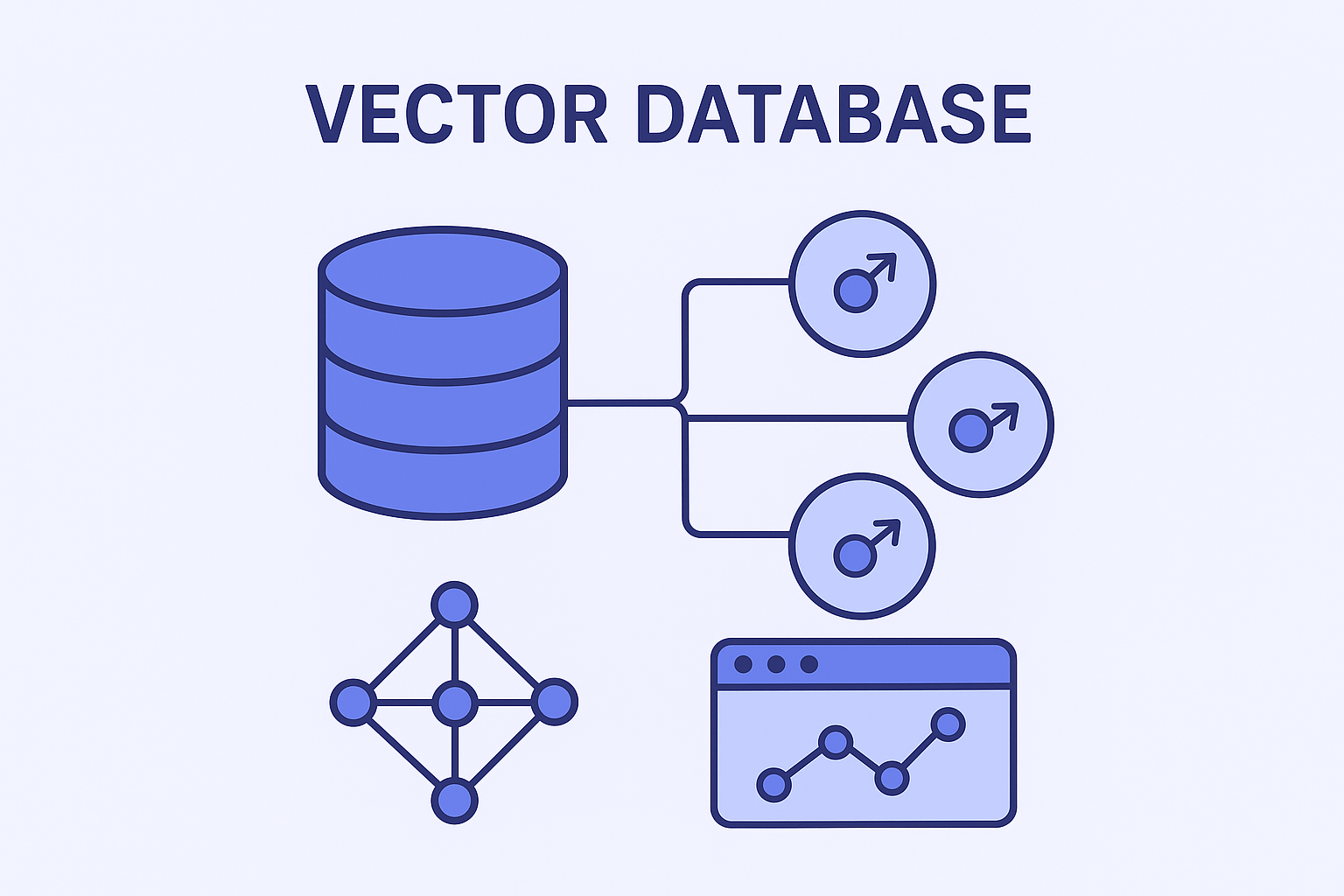
Learn what vector databases are, why traditional databases fall short, and how vector databases power modern AI applications like chatbots, semantic search, and recommendation systems. Overview In recent years, Artificial Intelligence has moved far beyond simple rule-based systems. Modern AI applications aim to understand meaning, context, and similarity, not just…
-
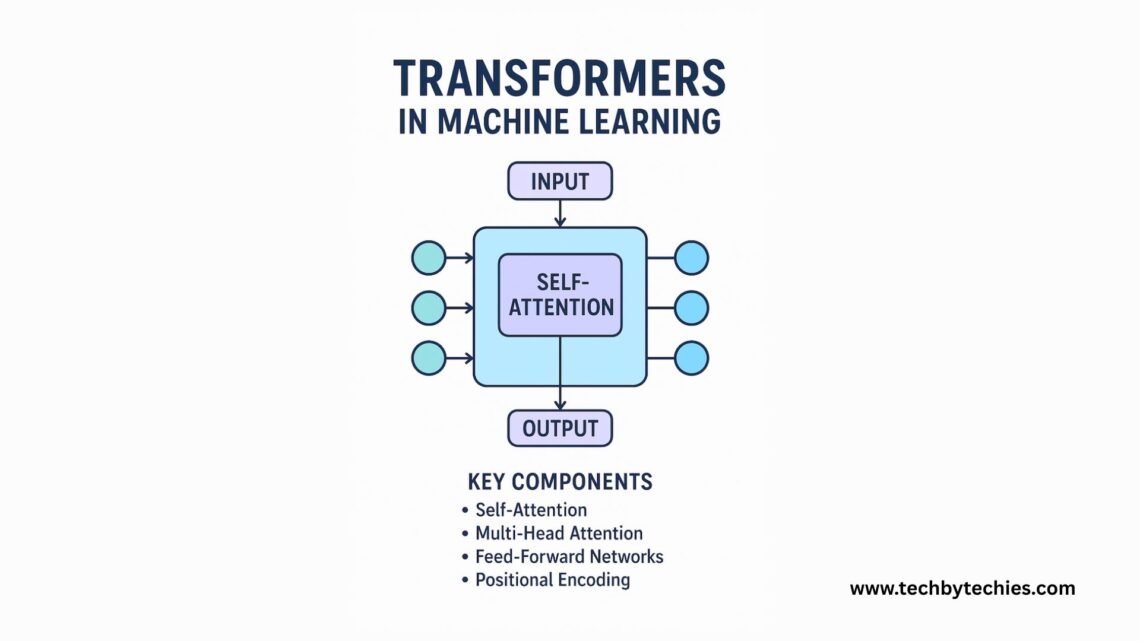
Transformers in Machine Learning: The Technology Powering Today’s AI Revolution
If you follow the world of AI — or even casually hear about ChatGPT, BERT, or Whisper — you’ve already touched the impact of Transformers. They’re not just another neural network architecture; they’re the reason modern AI feels powerful, smart, and almost magical. In this blog post, let’s break down…